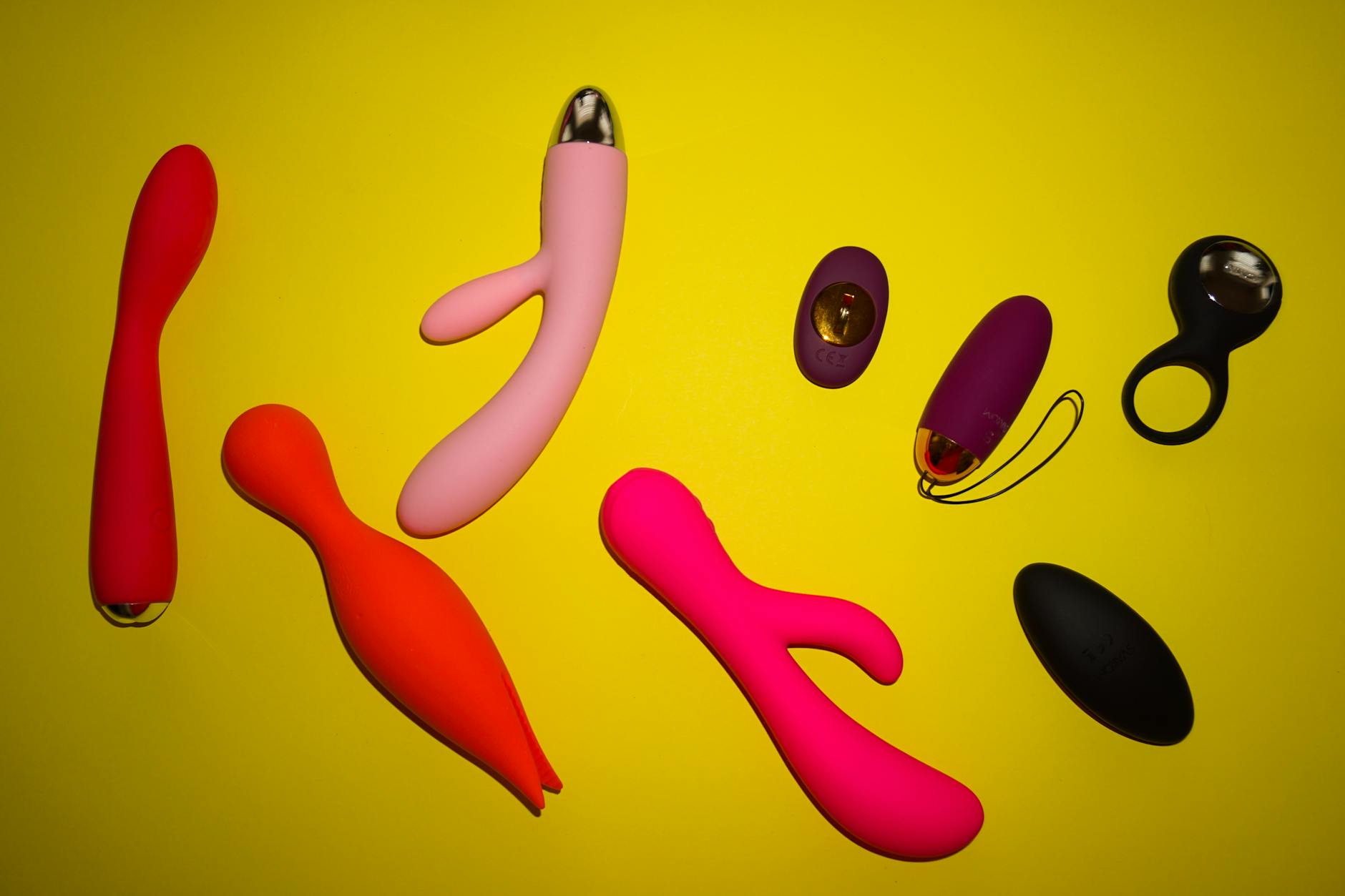
Let's talk about the pleasure gap
You start birth control and somewhere around week three, you notice it. Your body feels muted. Touch that used to spark something now just feels... fine. An orgasm that took ten minutes takes twenty. Your partner notices the difference before you do. And suddenly you're wondering if this is just the price of reliable contraception, or if something is actually wrong.
Here's the truth: both are true. Your sensation genuinely has decreased. And this is completely fixable.
What hormonal birth control actually does to pleasure
Hormonal contraceptives (the pill, patch, ring, implant) work by suppressing the hormones that drive your cycle. But estrogen and progesterone don't just manage ovulation. They also regulate blood flow to your genitals, control lubrication, and modulate nerve sensitivity. When you suppress them, all three change.
The effect is cumulative. Your clitoris gets less blood flow, which means less engorgement and slower arousal. Your vaginal tissue produces less natural lubrication, so friction feels different (usually duller). And your neural sensitivity to touch softens. You're not broken. Your body is literally responding to a pharmaceutical signal telling it not to be in a reproductive state.
The frustrating part: most people aren't told this is a normal side effect. You think you've lost interest in sex. You think your body is different. You think something is wrong with your relationship. It's none of those things. It's chemistry.
Why lemon vibrators work better than other toys when sensation is muted
Traditional vibrators rely on your body meeting them halfway. They buzz, you respond. But if your baseline sensitivity is lower, a standard vibrator might not create enough stimulation to break through the dampening effect of birth control.
Lemon clitoral vibrators work differently. Instead of simple vibration, they use pulsing suction technology that engages deeper nerve clusters. The suction creates a kind of pressure-based stimulation that doesn't depend on surface sensitivity. It actively draws blood flow into the tissue, which means it doesn't just feel good in the moment. It's also reversing some of the physiological dampening the birth control is causing.
So a lemon vibrator isn't just a stronger option. It's working with your body's actual response system rather than against the muted state.
Starting with lemon vibrators when sensitivity is low
If you've been using birth control for a few months and sensation feels flat, you'll notice something: patience becomes your best friend. Your body needs time to respond, even with the right tool.
Start with the lowest suction setting. Seriously. Your impulse will be to go straight to medium or high because you're used to needing more intensity to feel anything. Resist that. Begin at setting one and stay there for 2-3 minutes. Your tissues are going to wake up during this time. You'll feel a shift from "nothing" to "something is happening." That's the sign to move up slightly.
Warm-up time matters more with dampened sensation. Spend 15-20 minutes with your lemon vibrator on low settings before even considering orgasm. You're not trying to come quickly. You're retraining your body to recognize and respond to pleasure signals.
This is not about dysfunction. This is about recalibration.
The lubrication conversation (because birth control changes this too)
One of the most underrated parts of birth control's side effects is what it does to your body's natural lubrication. Many people on hormonal contraception produce less, and that less lubrication makes stimulation feel less intense.
Use a water-based lube even if you're not experiencing dryness. Lube isn't a sign that something is wrong. It's a tool that makes the experience more comfortable and increases sensation because it reduces friction-related discomfort that might be muting your pleasure.
Apply lube generously to the head of your lemon vibrator and reapply halfway through a session. Your body's response will improve noticeably once you're not working against dryness you might not have consciously registered.
Timeline: when to expect sensation to return
If you've been on birth control for less than three months, your body is still adjusting. The dampening effect tends to stabilize after six months to a year. This means sensation likely won't dramatically improve overnight.
But here's what changes quickly: your brain's response. Within a few weeks of using a lemon vibrator designed for low-sensitivity situations, you'll notice that you're anticipating pleasure. You're thinking about it during the day. Your body's sense of what's possible shifts. That psychological shift often matters more than the physical sensation at first.
If you've been on the same birth control for over a year and sensation is still significantly muted, it might be worth having a conversation with your doctor about switching methods. Some people feel dramatically different on different formulations or delivery methods (pill vs. patch vs. implant).
Many people also find that taking a planned break from hormonal birth control (with backup contraception) for a month or two is enough to remind their body what baseline sensation feels like. Then they can choose whether to resume or try something different.
Using lemon vibrators with a partner when your sensation is different
If you're in a partnership, the sensation decrease often feels like an intimacy problem when it's actually a pharmacology problem. Your partner might feel rejected. You might feel pressure to perform when your body isn't responding the way it used to.
Here's what helps: say this out loud. "My birth control is dampening sensation. That's not about you or our connection. Here's what I need to feel good right now." Then show them. Use your lemon vibrator together. Let them see what works. Many partners find that they actually enjoy the longer warm-up time and the different rhythm that comes with lower sensitivity.
You can also integrate the vibrator into partnered sex. Use it before sex to bring sensation back online, then transition to other activity. Or use it during sex. The goal isn't to fix yourself for your partner. It's to work together to make pleasure accessible while you're on medication that's temporarily changing how your body responds.
When to consider switching birth control
If sensation loss is significantly affecting your quality of life or relationship, it's a legitimate reason to explore other options. You don't have to suffer through years of muted pleasure for the sake of reliable contraception. Non-hormonal methods like copper IUDs have zero effect on sensation. Different hormonal formulations affect different people very differently.
The conversation with your doctor should sound like this: "The sensation dampening on my current method is affecting my sexual satisfaction and emotional wellbeing. Can we discuss alternatives that might have a smaller effect on arousal and sensation?" Most good doctors will work with you on this.
In the meantime, lemon vibrators are legitimately useful tools. They're not a workaround for a broken system. They're a way to work with your body as it actually is right now while you figure out longer-term solutions.
One more thing about pleasure under medication
Your pleasure matters. Not as a bonus or a nice-to-have. As something that deserves the same practical attention you give to any other side effect of birth control. Headaches? You'd talk to your doctor. Mood changes? You'd consider switching. Sensation loss? That's equally worth addressing.
If lemon clitoral vibrators help you access pleasure while you're on birth control that you want to stay on, that's not settling. That's good problem-solving. Your body's response to touch is important. Finding tools that work with your actual physiology right now is part of taking care of yourself.
Start low, be patient, use lube, and give yourself permission to take longer to reach pleasure. Your body hasn't forgotten how. It's just working with different chemistry for a while.
FAQ
How long does it take for sensation to return after stopping birth control?
Most people notice their baseline sensitivity starting to improve within 1-2 weeks of stopping hormonal contraception. However, full restoration can take 2-3 months as hormone levels fully stabilize and your nervous system recalibrates. Everyone's timeline is different depending on which method you used, how long you were on it, and your individual physiology. Some people feel a difference immediately after stopping the pill. Others who had an implant need longer because the hormones remain in your system longer after removal.
Can I use a regular vibrator instead of a lemon vibrator if my sensation is dampened?
You can, but lemon vibrators are designed specifically to work with lower-sensitivity situations. Traditional vibrators rely on your baseline nerve sensitivity to register the vibration. With birth control dampening sensation, you might find yourself needing increasingly high intensity settings, which can become uncomfortable or even numbing. Lemon clitoral vibrators use suction-based stimulation that doesn't depend as heavily on baseline sensitivity. That said, if you already have a vibrator you like, start with lower settings and give yourself time. Your body's response might surprise you once you're patient with the warm-up phase.
Is it normal that sex with my partner feels less intense while I'm on birth control?
Completely normal. Birth control affects both your physical sensation and your mental arousal response. The dampening is often more noticeable during partnered sex because you're receiving stimulation rather than directing it yourself. With solo pleasure, you can adjust pace and intensity to match your sensitivity. With a partner, there's less control. This often feels more obvious than the sensation changes you'd notice on your own. It's not a sign your relationship is failing. It's a sign that birth control is affecting your body's response. Many couples find that using a lemon vibrator together during partnered sex actually improves intimacy because you're both engaged in finding what works.
Will switching to a different birth control method help with sensation loss?
Yes, sometimes dramatically. Different hormonal methods affect different people differently. Some people on the pill feel completely fine while others on the same pill feel dampened. Non-hormonal options like copper IUDs have zero effect on sensation because they don't use hormones. Some people find that switching from the pill to the patch or vice versa changes everything. The only way to know is to talk with your doctor about trying something different. If sensation loss is significantly affecting your quality of life, it's a legitimate medical reason to explore alternatives. Don't just accept it as inevitable if you're unhappy.
Can lemon vibrators permanently restore my sensation or only while I'm using them?
Lemon vibrators help you access and enjoy pleasure in the moment, but they don't fundamentally change how your birth control is affecting your body's baseline sensitivity. That said, using them regularly can help keep nerve pathways active and responsive, which some people find does improve their sensitivity over time. More importantly, they help you maintain a healthy relationship with pleasure while you're on medication that's dampening it. That matters psychologically and emotionally. Your sensation will return to your pre-birth-control baseline if you ever stop the medication. In the meantime, lemon vibrators are useful tools, not a cure.
Should I tell my doctor about decreased sensation from birth control?
Yes. Sexual side effects are legitimate medical side effects. Your doctor should know because it affects your overall wellbeing and quality of life. You're not complaining about something trivial. Sensation loss that impacts your relationship or satisfaction with sex is worth discussing. Your doctor can help you understand whether switching methods might help, whether it's temporary, or whether there are other strategies that could help. Many doctors don't bring this up because they assume you won't want to discuss it. Speaking up changes that conversation.